

Associate Post Master’s Mental Health Fellowship – South Sacramento
Sacramento Valley Consortium (Roseville/Sacramento and South Sacramento)
Sacramento, known as “The City of Trees,” offers an inviting place to begin and grow a career in mental health. As the heart of California’s Central Valley and the state capital, Sacramento combines the resources of a major metropolitan area with a more approachable pace and cost of living than many other California communities, including the San Francisco Bay Area. The region has grown significantly in recent years and is known for its farm-to-fork restaurants, professional sports, performing arts, local theater, museums, and easy access to outdoor recreation. With San Francisco, Napa, and Lake Tahoe all within reach for a day trip, Sacramento offers year-round opportunities to explore, unwind, and stay connected to the natural beauty of Northern California. Its diverse communities and vibrant public sector economy also create a rich learning environment for clinicians preparing to serve a broad range of patients and families.
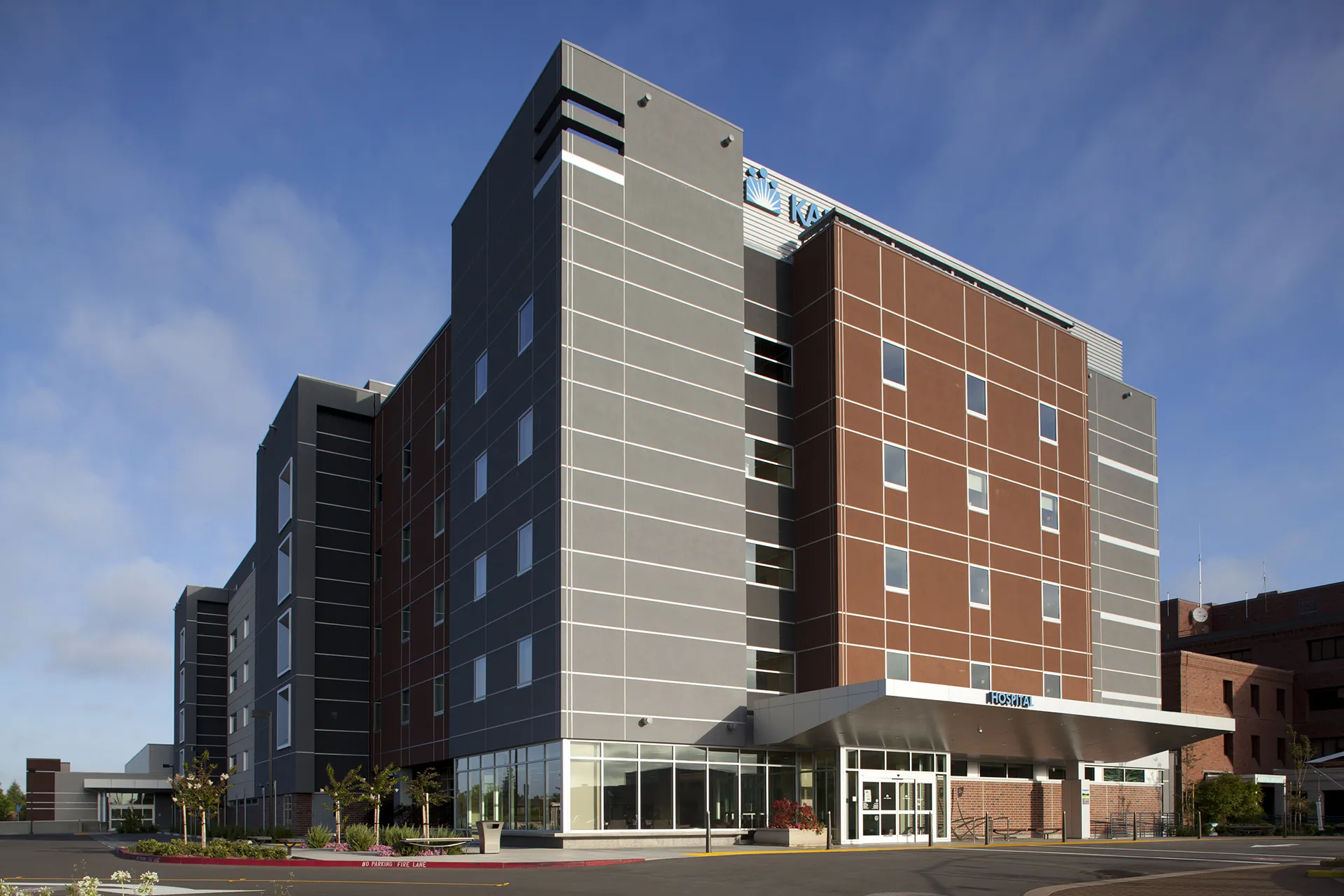
Kaiser Permanente South Sacramento is the largest not-for-profit health care provider in the southern region and plays a central role in meeting the health needs of the community. More than 233,000 members—or 56% of the south area’s commercially insured population—receive care through the South Sacramento Medical Center and two medical office buildings in Elk Grove. As one of the area’s largest employers, Kaiser Permanente offers trainees the opportunity to learn within an integrated health care system that values collaboration, access, and whole-person care.
The South Sacramento Psychiatry Department is comprised of the following programs and teams: adult outpatient and intensive outpatient services, child and adolescent outpatient and intensive outpatient services; addiction medicine and recovery services, memory care, behavioral health education, behavioral medicine, transgender care, triage and urgent care services, TMS and ECT services. The diversity of South Sacramento is reflected in our patient population with major ethnicities such as Caucasian, Latino/a, Asian, African American as well as others represented.
Program Curriculum
Equity, Inclusion & Diversity
We are committed to nurturing and integrating diversity training into every aspect of our Associate Post Master’s Mental Health Fellowship Program by:
- Providing fellows with opportunities to work with patients who represent a wide range of diversity, including ethnicity, gender, sexual orientation, age, religion, socioeconomic status and abilities.
- Our service area has an EID committee that sponsors events like a monthly book club that staff from around the medical center can join – we were recently invited to share a mental health perspective on a book they read.
- Our department has an EID committee co-chaired by the training directors for associates and post-docs – meetings are held on the 3rd Thursday of the month from 1:30pm – 2:30pm. The purpose is to help expand EID values with our peers.
- Our regional training program runs an EID Forum that’s held on the 2nd Tuesday of the month from 11am to 12:30Placing a high value on encouraging and supporting fellows’ willingness and ability to engage in self-reflection and learning about their assumptions, privileges and habits that could have a negative impact on clinical interactions with patients who are different in significant ways from them.
Didactic Training (Including regional trainings and local didactics)
Regularly scheduled weekly didactic seminars are organized and administered at the regional level for all Kaiser Permanente Northern California mental health trainees. Fellows are required to attend the two-hour weekly seminar, which focuses on aspects of clinical practice that the residents may not regularly encounter. Diversity issues are always integrated into seminar presentations.
Our Regional Mental Health Training Program also sponsors professional training courses for continuing professional development. These courses and presentations are offered at select times during the year for all Kaiser Permanente mental health trainees and staff at Kaiser Permanente Northern California Medical Centers. We bring in national experts and keynote speakers on a variety of cutting-edge topics in mental health treatment and research. Fellows are required to attend these monthly regional training courses in addition to the weekly didactic seminars. Training course dates and a list of speakers and topics can be found on the Regional Mental Health Training Programs website. In addition, many of these lectures are recorded and available under the continuing education lecture library.
We also watch out for professional organizations (CALPCC, CAFMT, and NASW) trainings intended for associates (e.g., topics like the process toward licensure, law and ethics, etc.) and will encourage them to attend where possible.
Seminars and Meetings
- Ongoing seminars from region on topics like preparing for a successful career at Kaiser, interviewing skills, and more
- Office hour each week with the training director to remain connected with the needs of associates – past conversations have included topics like case load management, safety assessment, self-care, and thoughtful termination.
- Scheduled exams practice each week to be as prepared as possible to take and pass the Law and Ethics exam as required before first associate number renewal.
Supervision
All fellows are provided with two hours of weekly individual supervision with a primary and secondary supervisor, and two additional hours of weekly group supervision.
The primary and secondary supervisor is responsible for supervising the direct delivery of clinical services. This supervisor takes the lead role in monitoring the fellow’s progress, providing feedback on strengths and areas in need of further development, ensuring effective and safe patient care, adequate documentation, and evaluating training schedules.
Group supervision includes opportunities for fellows to present and discuss cases. Fellows learn how to address treatment through a cultural framework including ethnicity, language, age, gender and sexual identity. Group supervision allows for vicarious learning, practice with professional public clinical presentations, and learning how to give and receive feedback.
Community Partnership Program
Reflecting Kaiser Permanente’s core commitment to mental health and wellness in our communities, each trainee will spend at least 32 hours during their training year on a Community Partnership Project that focuses on improving mental health in the local community beyond our Kaiser Permanente members.
The goal of these projects is to provide outreach to underserved populations in the community to promote healthy behaviors.
Tracks and Rotations
Addiction Medicine/Recovery Services
Patients receiving treatment in AMRS are frequently individuals using, abusing, or dependent on substances including alcohol, marijuana, and other drugs. Some people are dually diagnosed meaning they experience a substance use disorder and another psychiatric condition aside from substance use like depression or anxiety. Some people in AMRS treatment are addressing concerns related to codependency. The majority of patients who are receiving treatment in AMRS are adults, but some are minors.
Treatment is delivered in individual and group settings which may focus on harm reduction, abstinence, dual diagnosis, and codependence. The most common interventions will be based in Motivational Interviewing, CBT, and DBT. On average, a provider may expect to get 2-3 new patients per week. The number of intakes in a provider’s schedule will decrease as the training program progresses, unless the provider is hired into a full-time position.
Adult Intensive Outpatient Program (A-IOP)
IOP is a short term (2 week), group-centered program serving high acuity adult patients in a structured outpatient setting with a multidisciplinary team . The diagnoses of the patients participating vary greatly but frequently involve mood disorders, anxiety, life crises and trauma related disorders.
The program is held 3 days a week (Monday, Wednesday, and Friday) from 9am until about 12:30pm. Patients attend process and skill building/practice groups and meet with program psychiatrists for medication management. Interventions in the group setting include solution focused approaches, CBT, and DBT skills. Fellows will join the IOP team as an individual and group clinician, in addition to carrying a caseload of patients who are seen in-person or virtually.
Fellows will also have opportunity to co-facilitate groups geared toward a variety of topics, including symptom management, coping skills, relationship issues, and work stress.
Adult Outpatient
Patients receiving services from adult outpatient providers range in age from 18 (and graduated from high school) and up. Presenting problems and diagnoses are wide ranging – including depressive, anxiety, trauma, relationship/work/life stress, and more. Many appointments are individual in-person, via video, or over the phone. We also offer a range of groups covering topics like grief, CBT for depression, CBT for anxiety, DBT skills, wellness skills, etc.
Our associates will be placed with a facilitator (either their supervisor or another clinician in the department, depending on need) to co-lead at least one group during their time in our program. Case load will be evaluated on an ongoing basis to make sure it remains manageable. Intakes per week will be based on an individual basis (e.g., participating in more than one specialty). The number of intakes in a provider’s schedule will decrease as the training program progresses, unless the provider is hired into a full-time position.
Child Outpatient
Patients receiving services from child outpatient providers range in age from 4 or 5 years up to 18 (if still in high school). Presenting problems and diagnoses are wide ranging – including depressive, anxiety, trauma, family/school/life stress, and more. Many appointments are individual in-person, via video, or over the phone. We also offer a range of groups covering topics like social skills, managing stress, parenting classes (for patients’ parents), among many others.
Our associates will be placed with a facilitator (either their supervisor or another clinician in the department, depending on need and availability) to co-lead at least one group during their time in our program. The number of intakes in a provider’s schedule will decrease as the training program progresses, unless the provider is hired into a full-time position. Case load will be evaluated on an ongoing basis to make sure it remains manageable. Intakes per week will be based on an individual basis (e.g., participating in more than one specialty).
Schedule
40 hours per week, 8 hours per day-start and stop times will vary based on participation in group treatments.
Approximately half of those hours will be clinically based e.g., meeting for individual appointments, leading groups, etc.
The remaining hours are learning oriented e.g., participating in the didactics, specialty training or involvement in professional development and wellness, shadowing appointments, studying for the law and ethics exam, etc.
If an associate is participating in two tracks e.g., adult outpatient and IOP, their 20 clinical hours will be split in half where 10 will be outpatient and 10 will be IOP.
The following is an approximate breakdown of how someone in the program may spend their time each week:
- Direct Patient Care: 20 hours
- Non-Patient Care: 12 hours
- Individual Supervision: 2 hours
- Group Supervision: 2 hours
- Didactic Training: 2 hours
- Exam Preparation: 1 hour
- Community Benefit Project: 32 hours over the course of the year
Program Graduates
2025-2026 Cohort
| Graduate | University/Institute | Track/Specialty Rotation | Current Position, Specialty & Location |
|---|---|---|---|
| Bianca Andrade | California State University, Sacramento, MFT path | Child Outpatient | Unlicensed Mental Health Professional – Adult Outpatient |
| Jiaxin Chen | California State University, Sacramento, PCC path | Adult Outpatient | Unlicensed Mental Health Professional – Adult Outpatient |
| Justine Baker | California State University, San Francisco, MFT path | Adult Outpatient | Unlicensed Mental Health Professional – Adult Outpatient |
2024-2025 Cohort
| Graduate | University/Institute | Track/Specialty Rotation | Current Position, Specialty & Location |
|---|---|---|---|
| Dannette McCalman | Adult Outpatient and Child Outpatient | Community mental health | |
| Julia Gonzalez | University of San Francisco | Adult Outpatient and Child Outpatient | Community mental health |
| Laura Pacheco | California State University, Sacramento, LCSW path | Adult Outpatient and Addiction Medicine | Unlicensed Mental Health Professional – Adult Outpatient |
| Stephanie Barry | Adult Outpatient and Addiction Medicine | Unlicensed Mental Health Professional – Adult Outpatient |
2023-2024 Cohort
| Graduate | University/Institute | Track/Specialty Rotation | Current Position, Specialty & Location |
|---|---|---|---|
| Emily March | California State University, Sacramento | Adult Outpatient & Adult Intensive Outpatient Program | Community mental health |
| Brianna Grant | Pepperdine | Adult Outpatient and Child Outpatient |
2022-2023 Cohort
| Graduate | University/Institute | Track/Specialty Rotation | Current Position, Specialty & Location |
|---|---|---|---|
| Makayla Bouchard | California State University, Sacramento, LCSW path | Adult Outpatient & IOP | Associate Clinical Social Worker/Case Manager, IOP |
2021-2022 Cohort
| Graduate | University/Institute | Track/Specialty Rotation | Current Position, Specialty & Location |
|---|---|---|---|
| Brady Gordon | UC Berkeley School of Social Welfare, LCSW path | Child Outpatient & Adult Outpatient | Associate Masters Mental Health Professional, Adult Outpatient |
| Kim Waterman | Sacramento State University, LCSW path | Adult Outpatient | Associate Masters Mental Health Professional, Adult Outpatient |
| Lynn Hawley | LCSW path | Adult Outpatient | Associate Masters Mental Health Professional, Adult Outpatient |
2019-2020 Cohort
| Graduate | University/Institute | Track/Specialty Rotation | Current Position, Specialty & Location |
|---|---|---|---|
| Elnour Eilkhani | Adult Outpatient Program and Intensive Outpatient Program | Adult Outpatient Provider/Therapist | Eating Disorder Specialist, South Sacramento-South Valley |
