

Postdoctoral Residency – San Leandro
South East Bay Consortium (Union City, San Leandro and Fremont)
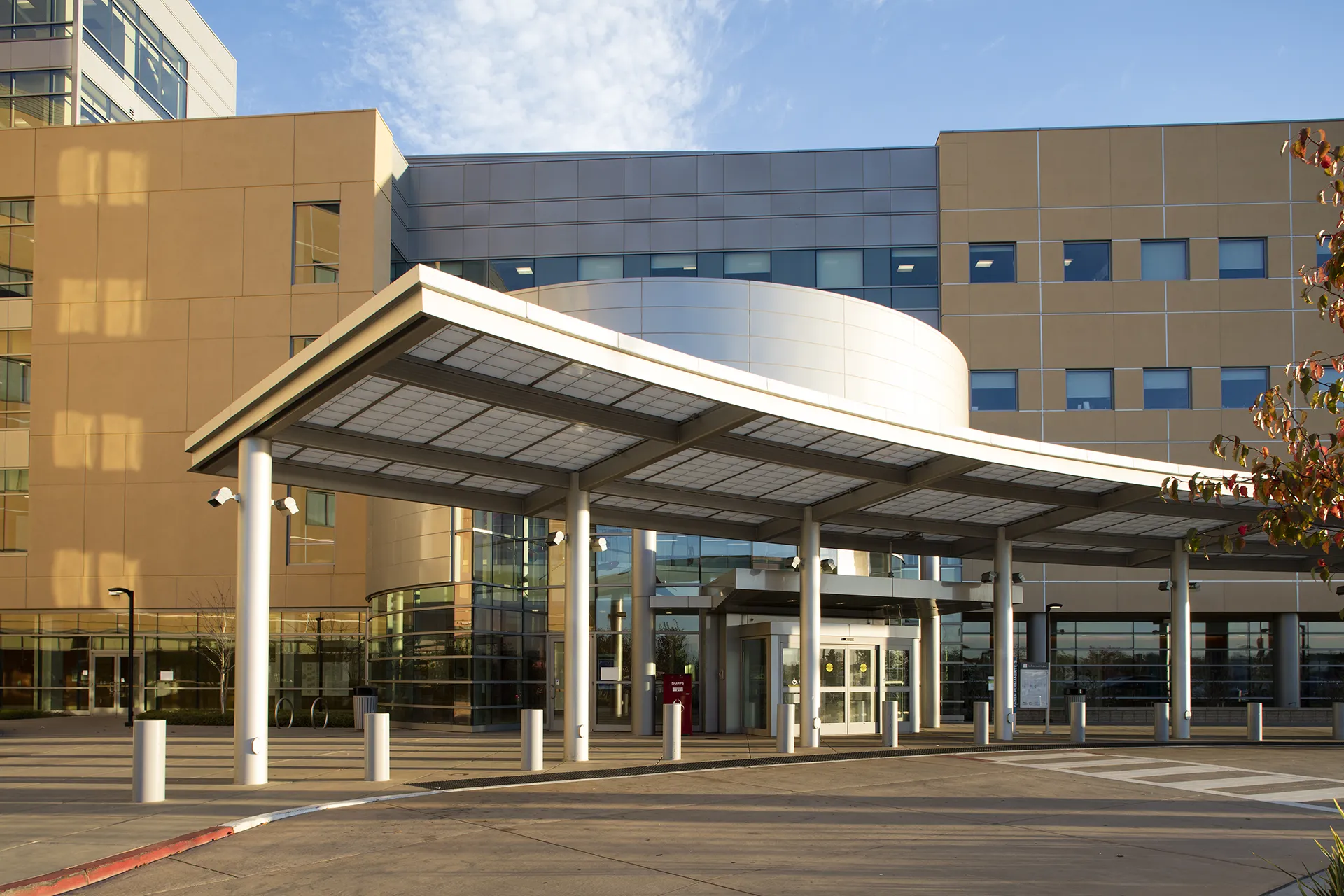
San Leandro is located on the eastern shore of the San Francisco Bay Area, 22 miles southeast of San Francisco, and 33 miles north of San Jose. The city lies between the 580 and 880 freeways with easy access to the Oakland Bay Bridge and the San Mateo Bridge. It also has a BART station with a shuttle service to the Kaiser Permanente San Leandro Medical Center.
With a vibrant community of more than 91,000 residents, San Leandro is proud of its well-maintained neighborhoods, excellent public libraries, many public parks, quality local schools, and wide range of shopping, dining, and entertainment options. The city encompasses a large industrial area that is home to an advanced manufacturing industry. For outdoor recreation, the San Leandro shoreline has a boat marina with picnic areas and trails; while Lake Chabot Regional Park is popular for its scenic hiking trails, camping, and fishing. San Leandro is known for an annual summer cherry festival.
The Kaiser Permanente San Leandro Medical Center opened in 2014 and serves 250,000 members in southern Alameda County. The 216-bed hospital and medical office building provides comprehensive medical services. With over 2,100 employees and physicians, it’s the largest hospital in San Leandro and a major employer in the area.
Program Curriculum
Equity, Inclusion & Diversity
We are committed to nurturing and integrating diversity training into all aspects of our postdoctoral residency program by:
Providing residents with opportunities to work with patients who represent various aspects of diversity, including age, religion, gender, socioeconomic status, ethnicity, values, and lifestyle.
Placing a high value on residents’ willingness to engage in self-reflection, and supporting the exploration of attitudes, beliefs and therapeutic postures that could impact clinical interactions.
Maintaining a consistent focus in clinical supervision on expanding residents’ multicultural awareness and competence in the provision of psychotherapeutic services and providing guidance, training, and resources on topics such as mitigating unconscious bias, respecting every voice, and cultivating a sense of inclusion and belonging in the workplace.
Residents are encouraged to participate in the Regional Mental Health Training Program EID Committee’s advanced trainings on topics related to cultural sensitivity and competence along with a forum to reflect on and discuss their varied experiences in a safe environment.
Didactic Training
Regularly scheduled weekly didactic seminars, formerly held at the consortium level, are now organized, and administered regionally for all KP NorCal postdoctoral residents. Residents are required to attend a two-hour weekly virtual seminar, which focuses on developing competencies and expertise in clinical areas most relevant to their day-to-day work.
Our Regional Mental Health Training Program also sponsors seminars for continuing professional development. The seminars are offered at select times during the year for all KP mental health trainees and staff at Kaiser Northern California Medical Centers. We bring in local and national experts on a variety of cutting-edge topics in mental health treatment and research. Residents are required to attend these monthly seminars. Regional seminar dates and a list of speakers and topics can be found on the Regional Mental Health Training Programs website. In addition, many of the presentations are recorded and available under the continuing education lecture library webpage.
Seminars and Meetings
Residents attend weekly department team meetings and weekly staff case conferences to consult on challenging cases and to learn how to incorporate Feedback Informed Care (FIC) in their practice.
Residents also attend group supervision to present cases to their postdoctoral peers. Residents gain experience giving and receiving feedback which helps them to develop the collegial and supervisory aspects of their professional identities as psychologists.
Residents participate in an Office Hours meeting led by the local training director which focuses on helping them to acculturate to the Kaiser Permanente organization. Topics include administrative issues and professional development, as well as general support.
Supervision
All postdoctoral residents are supervised by licensed psychologists and are assigned to a primary supervisor and a secondary supervisor. The clinical supervisors meet with their assigned resident one hour per week for individual face-to-face supervision. Thus, each resident has two hours of individual supervision per week.
The primary and secondary supervisors are responsible for overseeing the direct delivery of clinical services. The primary supervisor takes a lead role in developing the resident’s learning plan, monitoring their progress, and evaluating their training schedule. The primary supervisor is also responsible for completing the resident’s evaluation after gathering input from other supervisors and staff who may have provided supplementary supervision during rotations or while co-facilitating groups with the resident.
Community Partnership Program
Reflecting Kaiser Permanente’s core commitment to mental health and wellness in our communities, each trainee will spend at least 32 hours during their training year on a Community Partnership Project that focuses on improving mental health in the local community beyond our Kaiser Permanente patient members. Projects may include presentations on mental health topics or career mentoring in such settings as schools/universities, faith communities, and other organizations dedicated to assisting those in need.
The goal of this project is to provide outreach to underserved populations to promote health and advancement. Anchors for this project include developing alliances with individuals and/or systems to improve the lives of those served; providing education and training based on the empirical literature; and presenting relevant outcomes data to partnership stakeholders. Residents will meet with the Community Partnership supervisor to assist with placement and developing a project.
Psychological Assessment
All residents complete psychological testing as part of their training program with our Neuropsychologist. Four batteries are required over the course of the 12 months, but residents can complete more if desired. Primary referral questions relate to ADHD and Autism Spectrum Disorder (ASD) in children and adults. More complex neuropsychological assessments are also available. Residents attend weekly group supervision to consult on assessment cases.
Program Evaluation
Each resident is required to undertake a program evaluation project during their training year. The project is selected based upon the resident’s interests and skill set and should fall within the regular scope of departmental services.
It may involve collecting and analyzing data to improve administrative operations, or a quality improvement project aimed at improving or assessing a treatment program or process. Examples include developing and evaluating a treatment group, intake procedure or other new programming; evaluating factors associated with treatment outcomes; or a needs assessment of a service that may be enriched by psychological consultation. Residents meet with the program evaluation supervisor as a group regularly over the course of the training year to review progress on their projects.
Tracks and Rotations
Child Psychiatry Track
The Kaiser Permanente San Leandro Child and Adolescent Psychiatry Department offers postdoctoral residents the opportunity to provide services to children, adolescents, and their families across a broad age range (6-18 years). The program emphasizes whole-person, culturally responsive care, interdisciplinary collaboration, and the use of measurable clinical outcomes.
This comprehensive training program is designed to provide a range of clinical experiences while supporting the development of professional identity, sound clinical judgment, and increasing independence. Postdoctoral residents maintain an ongoing caseload reflective of our diverse community and gain experience assessing and treating a wide range of presenting concerns, including mood and anxiety disorders, autism spectrum disorder, ADHD, impulse control concerns, behavioral difficulties and other complex mental health needs.
The department also offers specialized services in gender affirming care throughout the GSAA region, as well as specialty programs for eating disorders, crisis stabilization, anxiety disorders, ADHD assessment, and autism. Depending on their prior experience and professional interests, residents may have opportunities to participate in one or more of these specialty areas. Residents may also co-facilitate a variety of groups and classes designed for children, adolescents and parents.
Adult Psychiatry Track
The Kaiser Permanente Fremont and San Leandro Psychiatry Department (Adult Services) offers postdoctoral residents the opportunity to work in a collaborative, multidisciplinary team that offers evidence-based, goal-focused, and multimodal treatment guided by measurable clinical outcomes. Residents conduct intake assessments, provide individual and group therapy, and serve as case managers for their patients.
This comprehensive training program is designed to provide a broad range of clinical experiences while supporting the development of professional identity, sound clinical judgment, and increasing clinical independence. Residents maintain an active caseload reflective of the diverse communities we serve and gain experience assessing and treating a wide variety of presenting concerns, including mood and anxiety disorders, trauma, grief, life transitions, ADHD, and other complex mental health conditions.
Through this immersive clinical experience, residents strengthen their generalist psychotherapy skills while also having opportunities to pursue specialized training experiences. Elective rotations may include Intensive Outpatient Services (IOP), Crisis Stabilization, ADHD screening and assessment, and other specialty programs based on resident interests, prior experience, and program availability. Residents may also co-facilitate a variety of psychotherapy groups and psychoeducational classes offered throughout the department.
The intensive Outpatient Program (IOP) provides treatment to adults experiencing acute mental health conditions in need of intensive treatment. The IOP is a brief program designed for patients who are transitioning from a recent psychiatric hospitalization or require increased support to reduce symptom severity, manage risk factors, and prevent potential hospitalization. Patients attend the program three times per week and receive group therapy, psychiatric medication consultation, and individual therapy.
Overall, the residency experience provides a strong foundation in clinical excellence, interdisciplinary collaboration, and evidence-based care, preparing residents for professional practice across diverse mental health settings.
Psychological Assessment
Postdoctoral residents receive training in psychological testing under the supervision of our Neuropsychologist. As part of the training program, residents are required to complete four assessment batteries over the course of the 12-month residency, with opportunities to complete additional assessments based on their interests and training goals. Assessment referrals primarily focus on the evaluation of ADHD and Autism Spectrum Disorder (ASD) in both children and adults. Residents may also gain exposure to more complex neuropsychological assessments. Residents attend weekly group supervision to consult on assessment cases.
Throughout the training year, residents develop competency in all aspects of the assessment process, including test battery selection and design, test administration, scoring, interpretation and integration of assessment data, report writing, and communication of test results.
Residents participate in weekly group supervision to review assessment cases, discuss diagnostic considerations, refine clinical interpretation skills, and strengthen their ability to communicate findings effectively to patients, families, and interdisciplinary treatment teams.
Schedule
We know you have a personal life and will accommodate your work/life balance. We offer flexible work hours and residents may choose 5- eight-hour workdays or 4- ten-hour workdays with a day off.
- Direct Patient Care: 20 hours
- Training Activities: 20 hours
- Individual Supervision: 2 hours
- Group Supervision: 2 hours
- Assessment Supervision: 1 hour
- Didactic Training: 2 hours
- Weekly Social Hour: 1 hour
- Dedicated report writing time
- License Prep Time
- Community Benefit Project: 32 hours per year
Program Graduates
2022-2023 Cohort
| Graduate | University/Institute | Track/Specialty Rotation | Current Position, Specialty & Location |
|---|---|---|---|
| Julia Rogers | Child Psychiatry, Union City |
2021-2022 Cohort
| Graduate | University/Institute | Track/Specialty Rotation | Current Position, Specialty & Location |
|---|---|---|---|
| Kristen Schrijver | Adult Psychiatry, Union City | ||
| Melinda Joseph | Child Psychiatry, Union City | ||
| Adam Wilson | AMRS, Union City | ||
| Lorena Talactac | Adult Psychiatry, San Leandro |
2020-2021 Cohort
| Graduate | University/Institute | Track/Specialty Rotation | Current Position, Specialty & Location |
|---|---|---|---|
| Brisa Pena | Child Psychiatry Union City | ||
| Brian Wai | AMRS, Union City | ||
| Florence Faizi | Adult Psychiatry, San Leandro |
2019-2020 Cohort
| Graduate | University/Institute | Track/Specialty Rotation | Current Position, Specialty & Location |
|---|---|---|---|
| Nini Bui | Adult Psychiatry, Union City | ||
| Abigail Johal | Child Psychiatry, Union City | ||
| Natalie Perez | Adult Psychiatry San Leandro |
